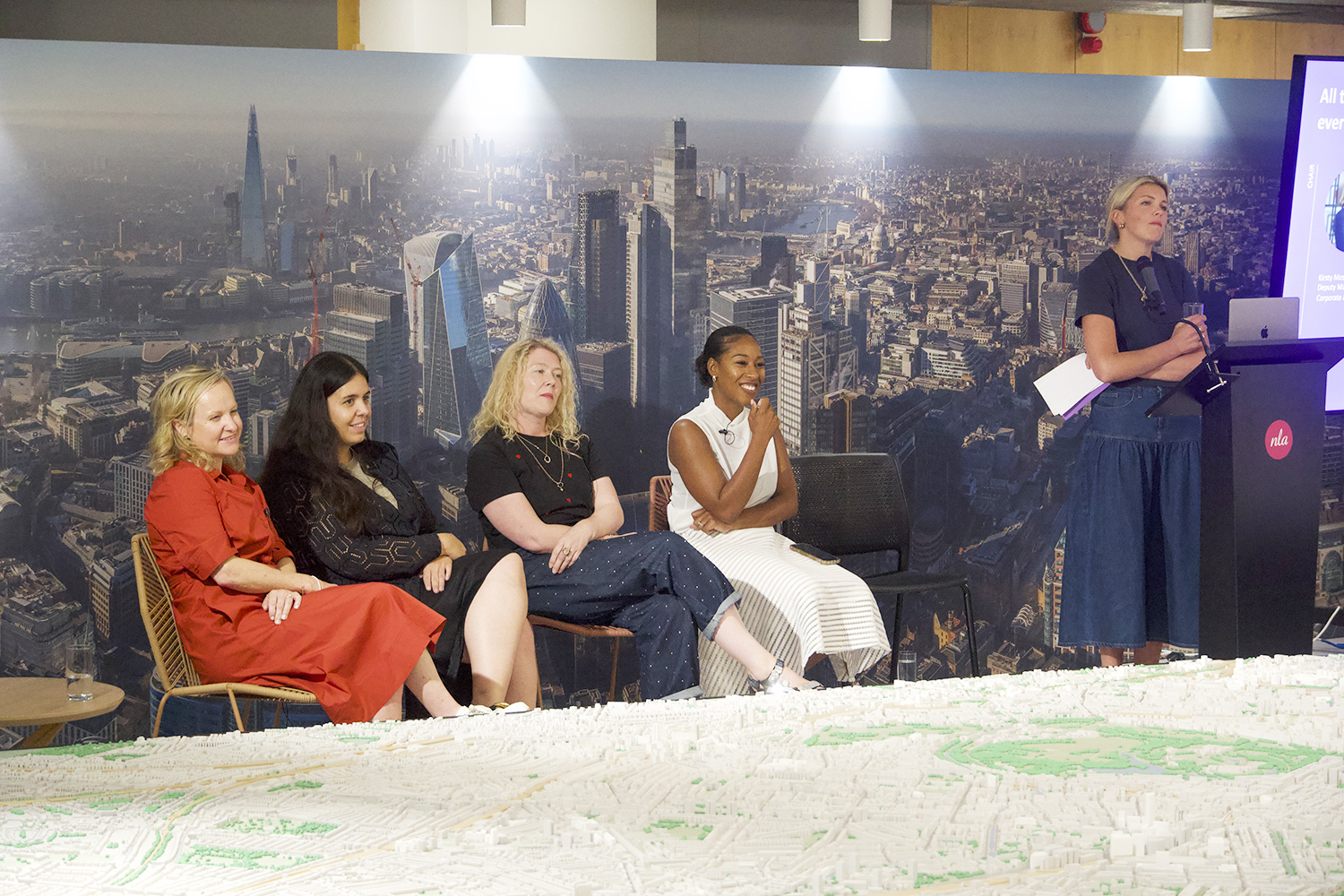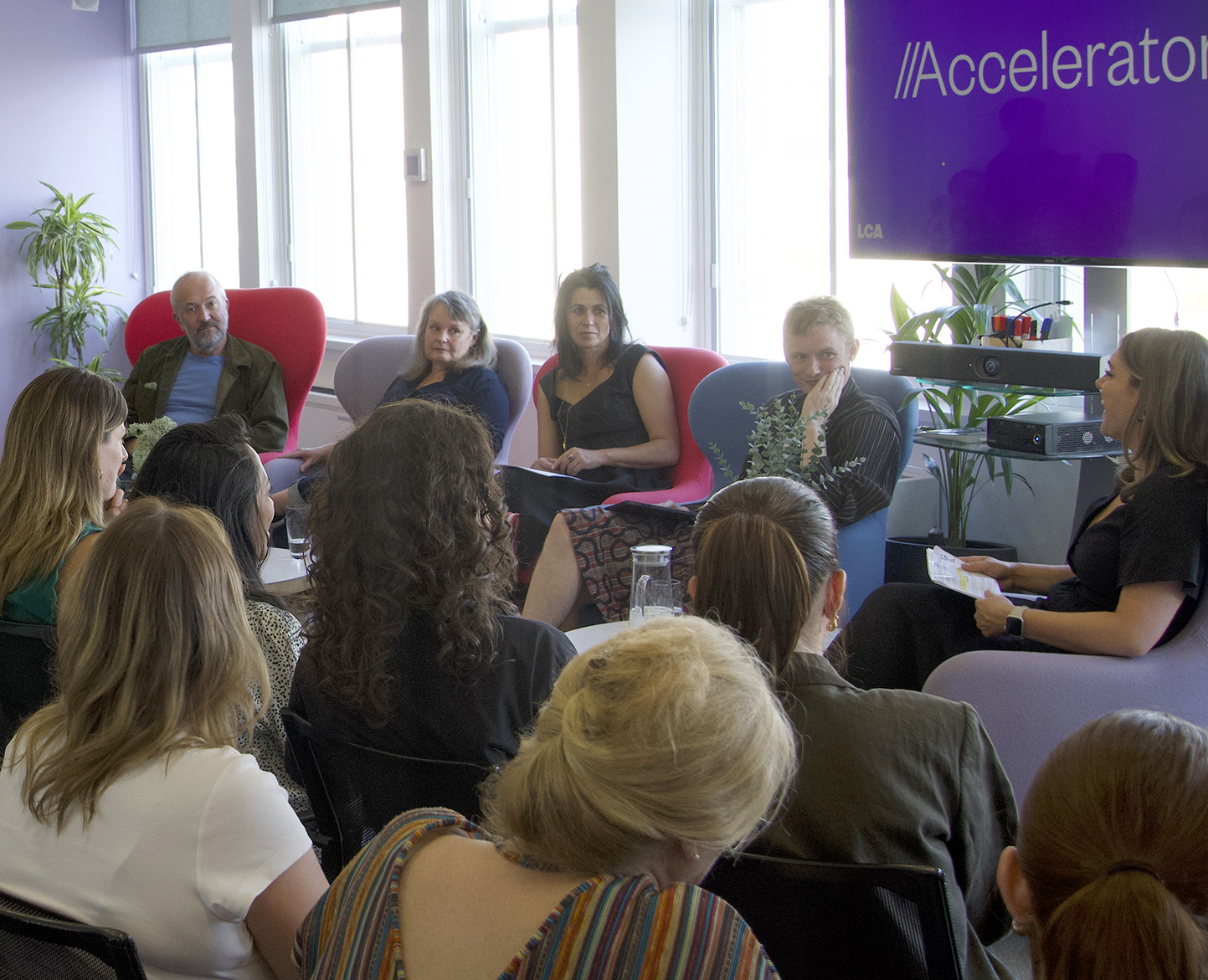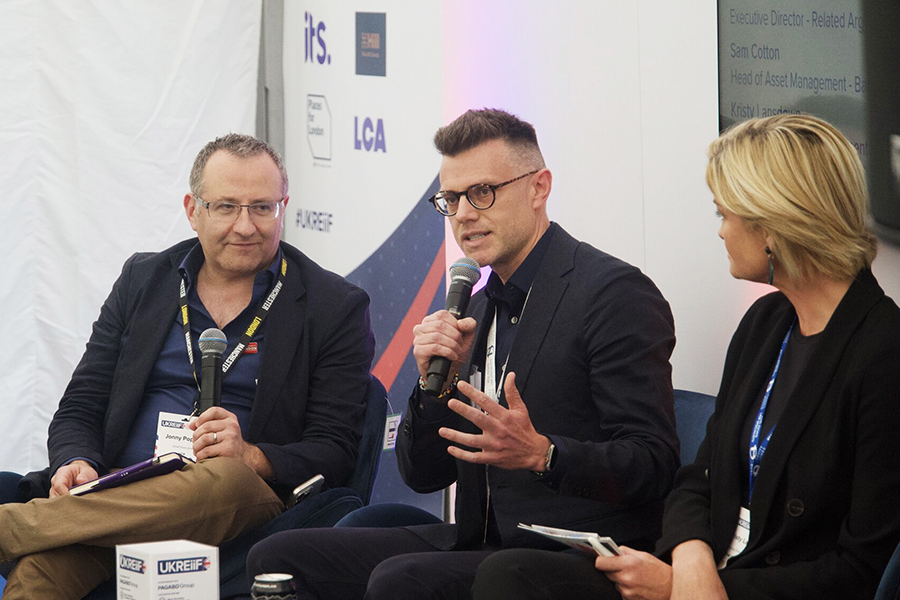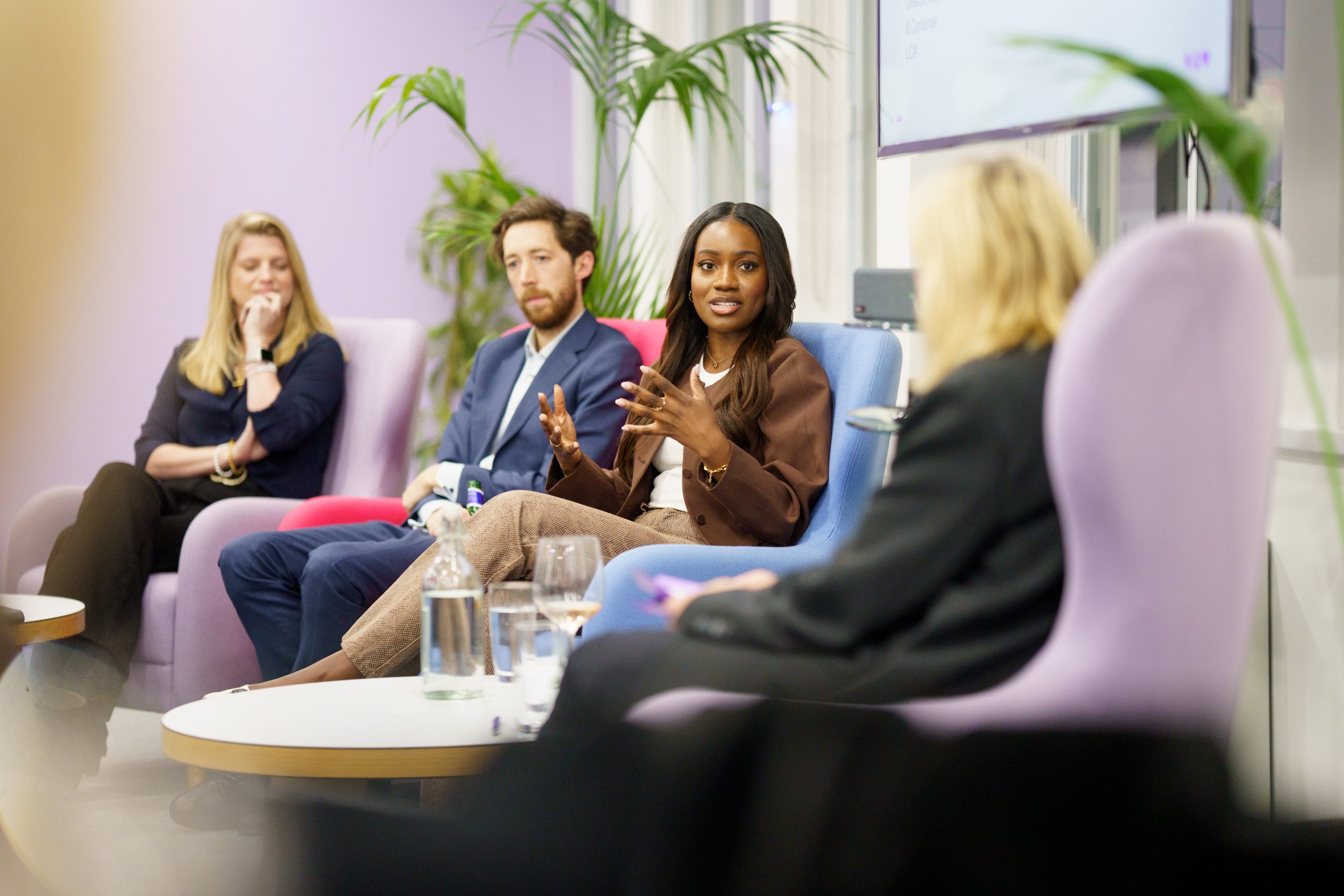
Accelerators is LCA’s new series designed to spark the conversations that matter.
We’ve designed these sessions to drive forward-thinking conversations about comms, culture, and communities- each session combining expert insight with open dialogue with our audience.
Next Event
All that stands between us: Everything communicates, not everyone connects
An Accelerators event co-hosted by LCA & NLA
Thursday 3 July 2025, 6:00 – 7:30pm
Join us on 3 July at The London Centre for a conversation about disconnection, perception and possibility.
Our built environments are shaped by boundaries: rivers, roads, railways, regeneration zones. But beyond bricks and borders lie deeper divisions: economic, cultural, digital, emotional.
Whether shaping perceptions of place, creating dialogue across difference, or giving voice to those often left out of planning and development, communications is not just a support act – it’s a catalyst.
In this Accelerators event, we explore how the stories we tell, the words we choose, and the platforms we use can break down barriers in our cities – or reinforce them. From Canary Wharf to the fractures between neighbourhoods and megaprojects, our speakers will reflect on how to connect people, places and purpose in more meaningful ways.
Panellists:
Jane Martinson – Author, Journalist, and Professor of Financial Journalism
Jane Martinson is an award-winning journalist, author, and academic with a distinguished career spanning over three decades in British media including for the Financial Times and The Guardian. Her work has consistently explored the intersections of media, power, and public life, with a particular focus on gender, finance, and urban inequality.
Raised on the Isle of Dogs in East London, Jane brings a deeply personal perspective to her writing on cities and regeneration. Her recent book, You May Never See Us Again, explores the rise and fall of the Barclays banking dynasty, blending investigative journalism with historical insight.
A regular commentator on the BBC, Jane produced BBC Radio 4 programme Dispatches that depicted life growing up in the shadow of Canary Wharf, the opportunities the creation of a new financial centre for the world brought those living next door, and whether any of these early mistakes have been learned from today.
Carlota Rebelo – Journalist and Executive Producer (Monocle, The Urbanist)
Carlota Rebelo is a journalist, editor, and executive audio producer based in London. She is currently a senior foreign correspondent at Monocle, where she contributes across print, digital, and audio platforms, including as a key voice on The Urbanist podcast.
With a career spanning over twenty countries, Carlota brings a global perspective to her reporting on urbanism, politics, diplomacy, and culture. Her storytelling is rooted in a deep curiosity about how cities function and how people shape – and are shaped by – the built environment. She has lived and worked in cities including Los Angeles, Brussels, Florence, and Lisbon, experiences that inform her nuanced take on urban life.
Tamsin Ace – Director, East Bank
Tamsin Ace is the inaugural Director of East Bank, London’s newest cultural and educational quarter located in the Queen Elizabeth Olympic Park. Appointed in 2023, she leads the strategic collaboration between five world-renowned institutions – the BBC, Sadler’s Wells, the V&A, University College London, and London College of Fashion – to deliver a shared vision for inclusive cultural regeneration in east London.
With a background spanning roles at the Museum of the Home, Southbank Centre, and London College of Fashion, Tamsin brings a wealth of experience in curating public programmes that connect communities with culture. At East Bank, she is responsible for fostering meaningful partnerships between institutions and local residents, ensuring that the legacy of the 2012 Olympic Games continues to inspire, engage, and reflect the diverse voices of the surrounding boroughs.
Tamsin is passionate about place-making through creativity and collaboration, and is committed to making East Bank a vibrant, accessible hub for innovation, learning, and cultural exchange.
Azzees Minott – Co-founder & Chief Operating Officer, 2-3 degrees
Azzees is Director, Facilitator and Chief Operating Officer at 2-3 Degrees. The award-winning social enterprise committed to inspiring and empowering young people to fulfil their potential through engaging in confidence building and skills enhancing workshops and programmes across the UK. Since March 2016, at 2-3 Degrees have worked with over 9,000 young people across the country, including reaching over 500 young people online during Covid-19 restrictions.
With a background spanning roles at the Museum of the Home, Southbank Centre, and London College of Fashion, Tamsin brings a wealth of experience in curating public programmes that connect communities with culture. At East Bank, she is responsible for fostering meaningful partnerships between institutions and local residents, ensuring that the legacy of the 2012 Olympic Games continues to inspire, engage, and reflect the diverse voices of the surrounding boroughs.
Tamsin is passionate about place-making through creativity and collaboration, and is committed to making East Bank a vibrant, accessible hub for innovation, learning, and cultural exchange.
Date: Thursday 3 July
Time: 6:00 – 7:30pm
Location: The London Centre (view location)
The Accelerator
Expert insight, intelligence gathering and knowledge sharing is in LCA’s lifeblood and ensures that our clients receive the highest quality strategic advice and counsel.
With our passionate understanding of politics and public policy, together with the societal and economic trends that shape the built environment, we provide unparalleled advice to our clients.
Through regular and customised briefings and events, we help to navigate through what can be a confusing and fast-changing landscape.
Accelerator Insights

After the AI hype, people want places they can trust
For years, the language of placemaking has been dominated by intelligence: seamless journeys, frictionless experiences, and data-driven optimisation. Technology promised to make places work harder, faster and more efficiently for the people moving through them.
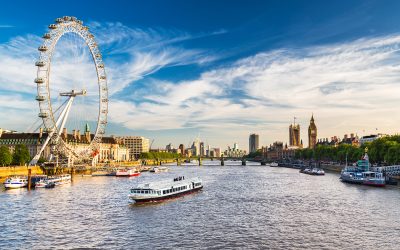
London, Actually: Resilience, renewal and the reality beneath the noise
Over the Christmas break, watching Love Actually offered an unexpected moment of reflection. It evoked a Britain of two decades ago – confident, outward-looking, and culturally assured.

Who is the BBC for anymore?
For a long time, the BBC didn’t really have to explain itself. It was “for everyone” and that answer carried weight. Most people accepted it. Today, it doesn’t land in quite the same way.

There’s no place like Brick Lane
In recent years, pop culture has been spilling into our cities in increasingly physical ways. What once lived on the big screen and within fan communities, now appears on pavements, high streets and public spaces.

4 media shifts set to shape 2026
After another whirlwind year of global headlines, political shifts and cultural comebacks, the media landscape feels more fluid – and more fragile – than ever.

If we build new towns for the young, we’ll fail our future
When the government unveiled its shortlist for the next wave of new towns – Enfield, Greenwich, Tandridge among them – the imagery was familiar: families cycling through green corridors, children playing in sun-lit parks, and young households finally finding the homes they’ve been priced out of elsewhere.

Where behaviour leads, retail follows: the quiet evolution of Christmas shopping
The golden quarter – retail’s long stretch from early October through Black Friday and into Christmas – has long been seen as the industry’s safe bet, the moment when tills ring louder and the sector hopes for a late-year reset.
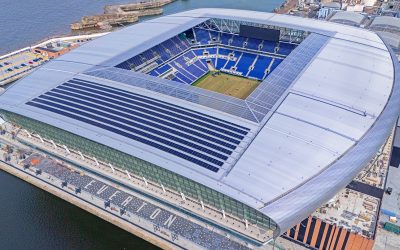
Beyond the Turnstiles
FC Barcelona returned to the Camp Nou this weekend. Backed by 45,000 fans in the terraces the Catalan side played host at their usual home for the first time in over 900 days.
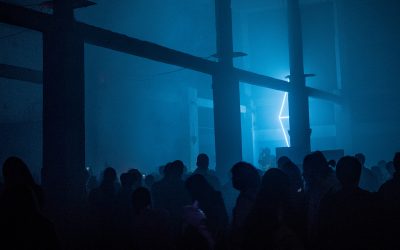
Capturing the chaos
In recent years, rave culture has found its way into the gallery. Once the soundtrack to underground nights and hidden warehouses, it is now the subject of exhibitions, installations and retrospectives.

The Affection Deficit
In an age of efficiency and automation, human connection has become the new luxury. Discover how design and storytelling can rebuild our sense of belonging.

Student cities re-imagined
A recent Times column warned that unless universities reform, students may start to “downgrade” them – opting for more flexible or cost-effective routes through higher education.

From editors to algorithms
A study recently published by Ofcom has taken the communications and media ecosystem by storm. The study reveals that people spent 4% less time watching broadcast TV in 2024 than the previous year, with average viewing time dropping to 2 hours 24 minutes a day.

Gen Z and the myth of the ‘sober’ generation
There’s been a whole lot of media noise lately about the ‘sober generation’: the idea that Gen Z are turning away from alcohol in favour of run clubs and skincare routines.

UK life sciences hit rethink mode
The life sciences real estate landscape is at a moment of recalibration. On paper, the UK retains many of the fundamentals that have made it a magnet for biotech and pharma – world-class universities, strong research networks and the NHS as an anchor customer for many hubs and clusters.
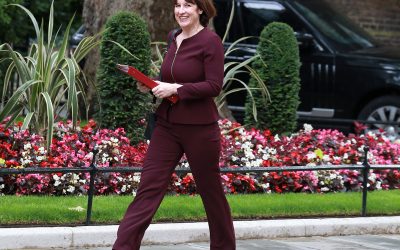
As the Budget looms and sector warnings grow louder
As the Budget looms and sector warnings grow louder, Reeves could take a lesson in listening, trust and stability from the high street

From the Court to the Campaign
I have been at LCA for a long time. But I knew this was the job for me, when, on my first day I was sent out on the road to help manage a campaign to encourage hard to reach Londoners to vote.

PR takeaways from one of the world’s savviest storytellers (Yes, Taylor Swift)
In case you missed it, Taylor Swift has done it again – she’s sparked a frenzy of anticipation and excitement with the announcement of her upcoming album.
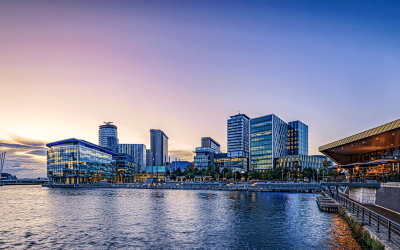
How diversification is unlocking office opportunities
The tide turned for Canary Wharf last week. A landmark deal for Visa’s European HQ and expanded leases from BBVA and SmartestEngery set the scene, before HSBC topped the lot and U-turned on its proposed exit from the docklands.
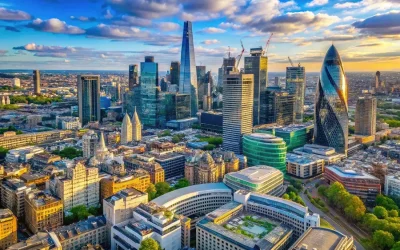
Could the City Be London’s Nightlife Unicorn
Could the City of London’s unique blend of culture, connectivity and ambition make it the capital’s next nightlife hub – and a model for post-9-to-5 districts everywhere?

A year on from the riots
The end of the July marks a year since 29 anti-immigrant demonstrations and riots erupted across 27 towns and cities across the UK.

Lessons from Sydney Sweeney’s American Eagle campaign
When American Eagle launched its latest denim campaign, fronted by Euphoria actor Sydney Sweeney, it probably seemed like a safe bet.
Past Events